A reading desk for the BPC-157 record
BPC-157 Meds publishes summaries of the peer-reviewed research literature on BPC-157 alongside the compound's current regulatory and compounding status. We are not a clinic, a pharmacy, or a vendor.
What this site is
BPC-157 Meds is a research-and-regulation tracker for BPC-157 (Body Protection Compound 157): it follows the peer-reviewed literature and the compound's shifting regulatory status, then lays both out in plain summaries with a citation on every claim. It is not a clinic and has no clinical staff, and it gives no medical advice. It builds nothing and sells nothing. Think of it as a place to read the record clearly — the science on one side, the FDA and WADA timeline on the other.
The modifier 'meds' in the domain name is editorial framing — a position the publisher occupies relative to the literature. Whether BPC-157 belongs on the FDA's 503A Bulks List for compounding pharmacies was put to an FDA advisory committee in July 2026, and no outcome has been published since. That record — the July 2026 PCAC hearing, the withdrawn Category 2 nomination, the WADA S0 prohibition since 2022 — is precisely the 'meds' context this site covers. It is a statement about the regulatory and scientific present, not a service or product the site offers.
We do not have a physical address, a phone number, or a clinic location. We do not refer readers to any specific vendor, compounding pharmacy, or prescriber. We have no clinical staff.
Editorial standards and sourcing methodology
Every quantitative claim on this site cites a peer-reviewed source. The citation standard for this site is:
- Primary sources preferred: Original research studies in peer-reviewed journals (Journal of Orthopaedic Research, Biomedicines, Frontiers in Pharmacology, Medicina, etc.) are the primary citation layer.
- Reviews and systematic reviews (McGuire et al. 2025, Vasireddi et al. 2025, Seiwerth et al. 2021) are cited where they synthesize primary evidence — not to replace primary sources, but to place them in context.
- Expert commentary (Whitehouse 2025, Inflammopharmacology) is cited where it provides context on regulatory and mechanistic interpretation, clearly labeled as commentary.
- No invented claims: No claim appears on this site that is not traceable to a published source in the references index. Dose values, half-life numbers, percent outcomes, and mechanistic pathway descriptions all cite specific studies.
- Regulatory data: FDA and WADA status information is drawn from published regulatory notices, official WADA documentation, and secondary sources in clinical literature that cite primary regulatory actions.
We acknowledge the limitations of the BPC-157 evidence base: most preclinical work originates from a single Zagreb research group, no randomized controlled human trials have been published, and the Phase 2 IBD trial results (Pliva) were never published in peer review. We do not suppress these limitations — they appear explicitly in the Research and FAQ sections.
Language on this site describes research findings, not clinical recommendations. Phrasing is consistently: 'studied at X in [species]', 'preclinical models showed', 'research suggests' — never 'an effective dose is', 'you should take', or 'this compound treats'.
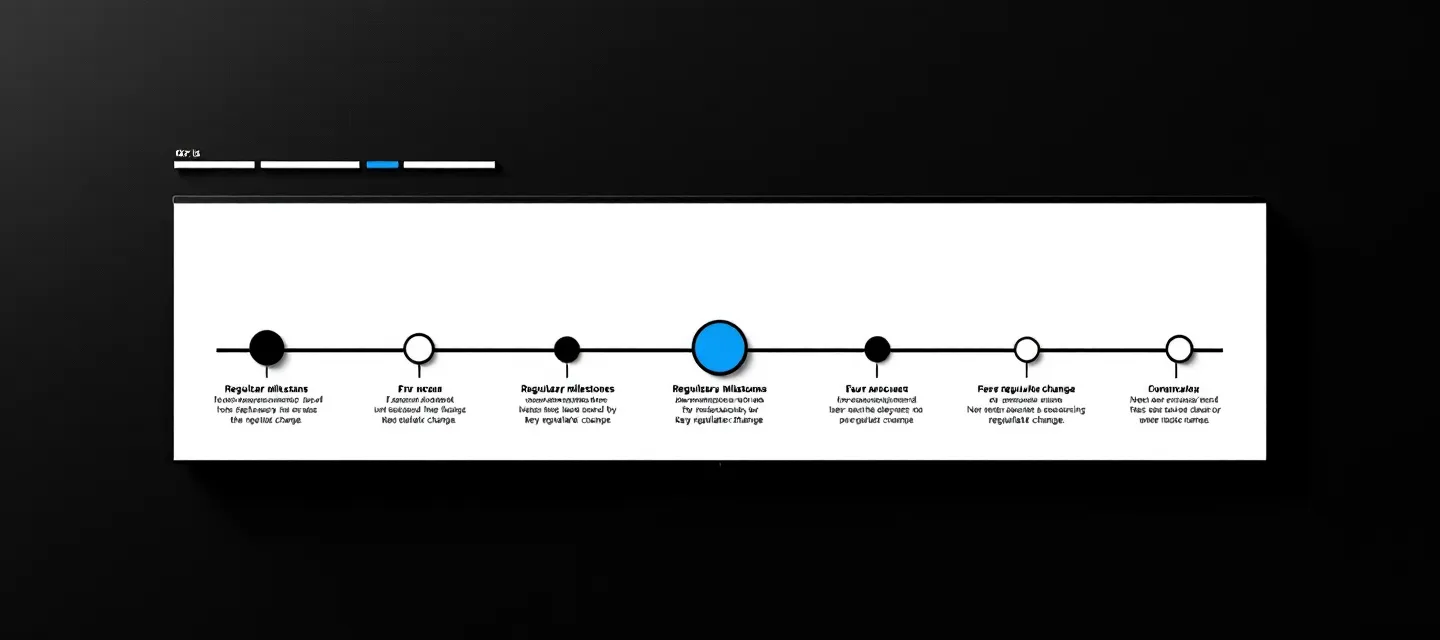
The regulatory timeline for BPC-157
Because BPC-157's regulatory status is a primary focus of this site, the key timeline is worth stating precisely:
September 2023: FDA placed BPC-157 on the 503A Category 2 list; on the agency's page current April 22, 2026, the nomination is shown as withdrawn and BPC-157 is no longer in Category 2, while FDA leaves unanswered how compounders should interpret that status.
April 22, 2026: FDA's page, current as of this date, carries BPC-157 (and TB-500) as withdrawn nominations rather than Category 2 entries; FDA publishes no date for that change. Neither compound went into Category 1 (FDA's interim enforcement-discretion group) or onto the 503A Bulks List, the separate final list created by rulemaking. Status moved to a regulatory gray zone: not explicitly prohibited, not authorized.
July 2026: The FDA Pharmacy Compounding Advisory Committee (PCAC) met with BPC-157 free base and BPC-157 acetate on its agenda for potential inclusion on the 503A Bulks List; FDA staff had proposed against adding them. The nominated use case is ulcerative colitis. FDA had published no record of the committee's votes as of September 2026.
Since 2022: BPC-157 has been prohibited by WADA under Section S0 — Non-Approved Substances. This prohibition is independent of the FDA compounding regulatory status.
At no point: BPC-157 has had an IND (Investigational New Drug) application filed in the United States, FDA approval for any human indication, or a USP/NF monograph.
Editorial scope and disclaimer
BPC-157 Meds is commentary on the openly published research and regulatory record. Nothing on this site constitutes medical advice, a diagnosis, or a treatment recommendation. No reader should alter their medical care based on content published here.
BPC-157 is not approved for human use by the FDA or any major regulatory agency. It is classified as a research chemical. It is prohibited by WADA under Section S0. Readers with clinical questions about BPC-157 or any related compound should consult a licensed healthcare provider.
This is a reading desk — no products, no clinical services, no vendor referrals.